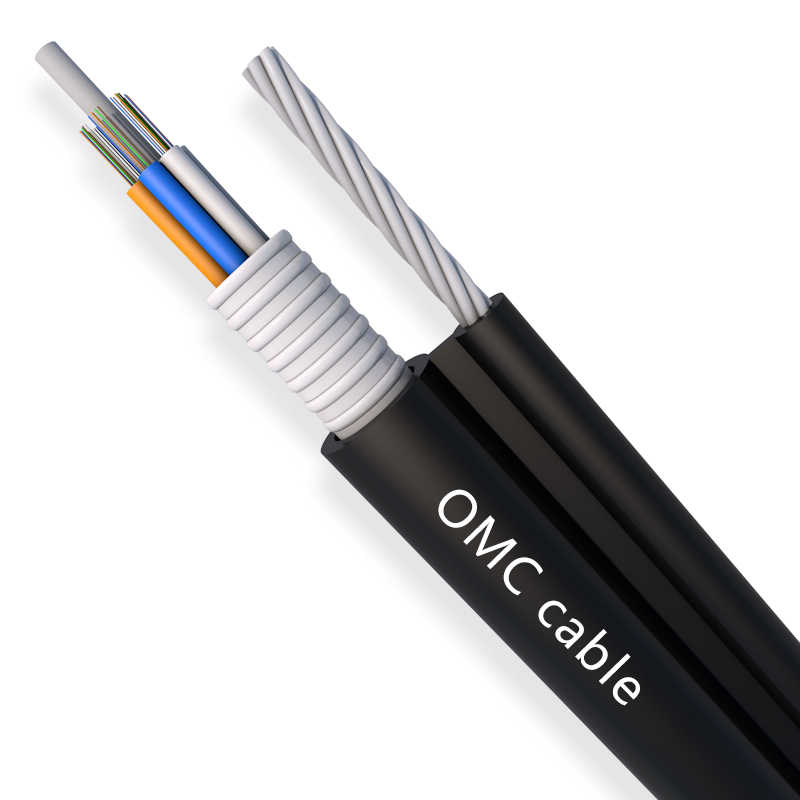
You pulled the cable through conduit. It felt tight. You pulled harder. It moved. You finished the pull. Then you tested the cable. Intermittent shorts. High resistance. The problem was not the cable. It was your pulling technique. Every cable has a maximum pulling tension. Exceed that tension, and the conductors stretch. The copper elongates. The insulation thins. The pair twists loosen. The cable still looks fine from the outside. The damage is internal. An outdoor armored cable with steel armor has a higher pulling tension rating than non-armored cable. The armor carries much of the pulling load. But the armor has limits too. Exceed those limits, and the armor deforms. The deformation pinches the internal conductors. The pinch creates a high-resistance point. That point heats up under load. Eventually, it fails. Ask your installer about pulling tension meters. These devices measure the force applied during the pull. If the installer pulls by hand or by feel, they are guessing. Guesses exceed ratings regularly. Your cable arrives damaged. The damage shows up months later. Use a tension meter. Stay within limits. Your cable will arrive at its destination intact.
The Bend Radius Crush That Kills Your Signal
You pulled the cable around a corner. The conduit turned sharply. The cable bent. A little bend is fine. Too much bend is death. Every cable has a minimum bend radius. For armored cable, that radius is larger than non-armored cable because the armor cannot fold without kinking. A kinked armor creates a pressure point. That pressure point presses against the internal conductors. Signal degrades. Reflections increase. Your outdoor armored cable with a kinked armor is permanently damaged. You cannot unbend it. The kink is a memory in the steel. Your signal will always reflect at that point. The fix is cutting out the kinked section and splicing. That splice adds cost and creates a new failure point. The better fix is avoiding the kink entirely. Use sweeping bends. Use pull elbows. Use conduit bodies with large radii. Never force a cable around a corner that is too tight. If it feels wrong, it is wrong. Stop. Rethink the path. Your signal quality depends on every bend staying within the cable’s rating.
The Cable Gland Overtightening That Flattens Your Conductors
Your cable enters an enclosure. A cable gland seals around the armor. You tighten the gland. You tighten it more. You want it waterproof. You overtighten it. The gland compresses the armor. The compressed armor presses into the conductors. The conductors flatten. The insulation tears. The outdoor armored cable now has a damaged section inside your supposedly protected enclosure. The damage is invisible. The cable looks fine from the outside. But the flattened conductors have higher resistance. They run hotter. They may arc internally. The fix is torque control. Every cable gland has a torque specification. Use a torque wrench. Do not guess. Do not use “German torque” (good-n-tight). Use a real torque wrench set to the manufacturer’s specification. Ask your installer to show you their torque wrench. If they do not own one, they are overtightening every gland they install. Overtightening damages cables. Damaged cables fail. Failed cables cost you money. Torque wrenches are inexpensive. Cable failures are not. Use the right tool for the job.
The Corrosion Creep That Moves Under Your Jacket
Water finds a way. A tiny nick in the outer jacket. A small crack in the armor. Water enters. It travels. It spreads between the armor and the inner jacket. This is called corrosion creep. The water carries oxygen. The steel armor rusts. The rust expands. The expansion splits the outer jacket further. More water enters. More rust forms. Your outdoor armored cable fails from the inside out. You cannot see the corrosion until the cable completely fails. The solution is not better cable. The solution is better installation. Inspect every inch of outer jacket before burial. Repair any nicks with self-fusing silicone tape. Seal every termination with heat shrink or cold-shrink tubing. Use corrosion-inhibiting grease on all armor connections. These steps add time to the installation. They also add years to the cable’s life. Ask your installer about their corrosion prevention protocol. If they do not have one, they are installing cables that will fail prematurely. Your trench will be dug twice. Your downtime will double. Prevent corrosion before it starts.
The Water Blocking Tape That Swells And Crushes
Some armored cables use water-blocking tape beneath the armor. The tape contains swellable powder. When water touches the tape, the powder expands. It fills gaps. It stops water migration. That is the theory. In practice, the tape swells unevenly. It creates pressure points. Those pressure points press into the conductors. The conductors deform. Signal quality drops. A outdoor armored cable with water-blocking tape is not always better. For direct burial in wet soil, the tape may swell from ambient moisture before any cable damage occurs. The tape activates during storage or during pull-through wet conduits. Your cable is damaged before you ever power it up. Ask your supplier whether their armored cable uses water-blocking tape or water-blocking gel. Gel migrates. It does not swell. It does not create pressure points. Gel is messier to terminate. It is also safer for your conductors. Choose gel over tape for wet environments. Your conductors will remain round. Your signal will remain strong.
The One Test That Finds Hidden Pull Damage
After installation, run a structural return loss test. Not just a continuity test. A structural return loss test sends multiple frequencies down the cable. It measures reflections from every impedance change. A stretched conductor creates an impedance change. A kinked armor creates an impedance change. A flattened conductor creates an impedance change. The test identifies exactly where the damage is located. Your outdoor armored cable passes or fails based on real signal performance, not just “does it have continuity.” Demand this test from your installer. If they do not own a structural return loss tester, they are not qualified to install armored cable. Continuity tests are for electricians checking lamp cords. Signal cables need signal testing. Run the test. Review the results. If damage is found, cut out the damaged section or replace the run. Do not accept a damaged cable. Your network will suffer every day until you replace it. Test before you bury. Test before you pay. Your uptime depends on installation quality, not cable quality alone. A perfect cable installed poorly is still a poor installation. Test thoroughly. Sleep soundly.