
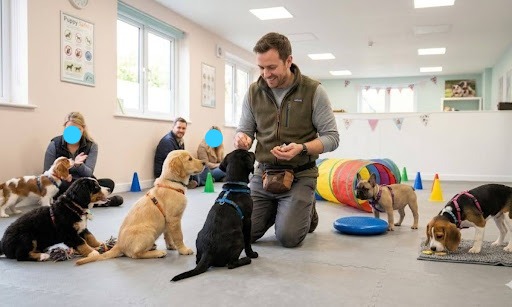
Most new puppy owners spend a lot of time picking out the right bed, the best food, and plenty of toys. All of that makes sense. But there is one thing that matters more than any of it, and a lot of people skip it entirely.
Getting your puppy into a structured training and socialisation program early on can shape the kind of dog they become for the rest of their life. A dog that is calm, confident, and easy to live with does not happen by accident. It starts with the right foundation, and it starts early.
That foundation is what puppy preschool is all about.
If you are based in Melbourne and looking for a trusted place to start, Puppy Preschool programs run by certified professionals give your pup the right start in a safe, supervised environment. But no matter where you are, understanding what these classes offer, and why timing matters so much, is the first step.
The Critical Socialisation Window You Cannot Afford to Miss
There is a short window in a puppy’s life when their brain is at its most open to new experiences. During this time, they are learning what is safe and what is not, who is a friend and who is a threat, and how the world generally works.
What Happens Between 3 and 16 Weeks
From around 3 weeks to 16 weeks of age, puppies go through what animal behaviour experts call the socialisation period. During this stage, their brains are highly plastic, meaning they absorb new information faster and more deeply than at any other point in their lives.
Everything they encounter during this window gets filed away. New people, sounds, surfaces, animals, environments. If those experiences are positive, puppies grow up treating those things as normal. If they miss out on this exposure, they are more likely to be fearful, anxious, or reactive as adults.
What Happens If You Miss It
Missing the socialisation window does not mean your dog is beyond help. But it does make training harder. Dogs that did not get enough positive exposure early on often develop fear-based behaviours that are much more difficult to change later. Aggression, excessive barking, separation anxiety, and leash reactivity are all more common in dogs that missed out on early socialisation.
Puppy preschool is specifically designed to fit inside this window. Most programs accept puppies from around 8 to 16 weeks of age, right when it matters most.
What Puppy Preschool Actually Teaches Your Dog
People often assume puppy classes are just about teaching sit and stay. There is much more going on than that.
Basic Commands and Obedience Foundations
Puppies are introduced to basic cues like sit, stay, come, drop it, and heel. These are not just tricks. They are the building blocks of a dog that is safe and easy to manage in real life, whether you are at the park, the vet, or walking down a busy street.
All of this is done using positive reinforcement methods, which means rewards like food, praise, and play. This approach works well because it builds a strong connection between you and your dog instead of using fear or force to get compliance.
Bite Inhibition and Leash Manners
Nipping, mouthing, and jumping up are some of the most common complaints from new puppy owners. Puppy preschool addresses these directly. Puppies learn bite inhibition through controlled play with other puppies and guidance from trainers. They also start building better leash manners, which saves you a lot of frustration down the track.
How to Read Canine Body Language
Good programs also teach owners how to read what their dog is communicating. Understanding the difference between a relaxed puppy and an anxious one, or knowing when play is getting too rough, helps you step in at the right moment. This knowledge makes you a better handler and keeps your dog feeling safe.
The Socialisation Benefits Go Beyond Playing With Other Dogs
Yes, puppies get to play together. But the socialisation that happens in a good preschool class goes much further than that.
Meeting New People, Sounds, and Environments
A well-run class exposes your puppy to a controlled range of stimuli, things like different people, grooming tools, wheeled objects, unfamiliar noises, and new surfaces. Each positive experience during this period helps your pup build a mental library of things that are safe and non-threatening.
The more varied and positive those experiences are, the more adaptable and settled your dog will be as an adult.
Building Confidence in a Safe, Supervised Setting
Puppy preschool pairs dogs of similar age, size, and confidence levels so that the play stays positive for everyone. A timid pup matched with an overly boisterous one is not going to benefit much. Good trainers know how to manage these dynamics and make sure every puppy has a constructive experience.
That steady, supported exposure to the world is what builds genuine confidence, not just tolerance.
What You Learn as an Owner
Puppy preschool is not just for your dog. It is one of the best things you can do for yourself as a new pet owner.
How to Use Positive Reinforcement the Right Way
Knowing that you should reward good behaviour is one thing. Knowing when to reward it, what to reward it with, and how to avoid accidentally reinforcing the behaviours you do not want is another thing entirely. Preschool classes give you hands-on practice with real-time feedback from a qualified trainer.
Getting Expert Answers to Your Toughest Questions
New puppy owners have a lot of questions. When will the biting stop? Why does my dog eat everything off the floor? How do I get them to sleep through the night? Having a certified professional in the room who can answer those questions directly, for your specific dog, is enormously useful.
You also get the reassurance of being around other owners going through the same thing. That shared experience matters more than most people expect.
How to Choose the Right Puppy Preschool
Not all programs are equal. Here is what to look for before you enrol.
What to Look for in a Trainer
Look for trainers with recognised qualifications, such as certification from the Certification Council for Professional Dog Trainers (CCPDT) or membership in a professional association. More importantly, make sure they use humane, reward-based training methods. If a trainer relies on punishment or intimidation, walk away.
Class Size, Safety Standards, and Vaccination Requirements
Small class sizes matter. They allow each puppy to get individual attention and reduce the risk of overwhelming a shy dog. The facility should also have strict hygiene protocols, since young puppies are still building their immunity. A good program will ask for proof of your pup’s first vaccination before allowing them in class.
If you can, observe a class before you sign up. Watching how the trainer handles different dogs and manages the group tells you a lot about whether the program is the right fit.
The Long-Term Payoff Is Worth Every Dollar
Think about what it actually costs to deal with a dog that has behavioural problems. Private behavioural consultations, specialist trainers, damage to your home, stress to your household. These are real costs, and they are far more expensive than a few weeks of puppy preschool.
A dog that starts with the right training grows up with fewer problem behaviours, a stronger bond with its owner, and a calmer response to the world. That means more enjoyable walks, easier vet visits, and a dog that fits into your life instead of constantly disrupting it.
Early training also lays the groundwork for more advanced skills if you ever want to continue. Agility, therapy work, or advanced obedience all become easier when the basics are already solid.
Start Early, Stay Consistent
Your puppy is only young once. The decisions you make in those first few months have a real impact on the dog they grow into. Puppy preschool is not a luxury or an optional extra. It is the most efficient, most effective way to give your dog the skills, confidence, and social awareness they need to thrive.
The investment is small. The return lasts a lifetime.

