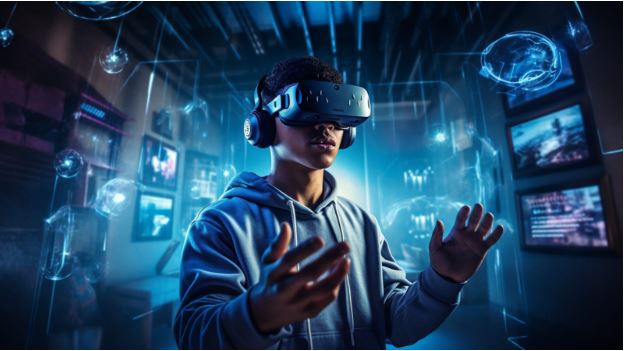
High-end travelers are no longer satisfied with a simple gallery of static photos. When booking a luxury suite or an international resort, guests want to know exactly what they are getting. A photo can be edited or angled to hide flaws, but an immersive experience provides the transparency today’s digital-savvy consumers demand.
Virtual Reality software has shifted from a futuristic novelty to a core sales tool. By offering a “try before you buy” digital walkthrough, hotels are effectively removing the hesitation that often leads to abandoned booking carts.
Building Trust Through Transparency
Static images often fail to convey the true flow of a room or the authentic view from a balcony. Guests want to feel the atmosphere of the spa or stand in the center of a penthouse before they commit their credit card details.
Virtual tours bridge this confidence gap. When a guest can navigate a property at their own pace, they develop a sense of ownership over the space. This transparency builds immediate trust. It proves that the property has nothing to hide, which is a powerful psychological trigger for completing a direct booking.
Interactive Planning for High-Value Events
The hospitality industry isn’t just about individual room nights; it is about high-value event contracts. Wedding planners and corporate event managers often have to scout locations from thousands of miles away. VR software allows these professionals to inspect venues with clinical precision.
- Setup Toggling: Managers can switch between banquet, theater, or cocktail layouts instantly within the tour.
- Remote Inspection: Planners can measure dimensions and check lighting placements without the cost of a flight.
- Effective Upselling: Guests exploring a standard room are easily enticed by a virtual walkthrough of the Presidential Suite, seeing the added value in real-time.
- Direct Integration: Modern tours include “Book Now” hotspots, allowing users to move from exploration to reservation in a single click.
Standing Out in a Saturated Market
Visibility on Online Travel Agencies (OTAs) and social media is a constant battle. Interactive media gives hotels a distinct edge. When users engage with a virtual tour, they stay on your website significantly longer. This increased “dwell time” sends positive signals to search engines, boosting your organic SEO and making your property more discoverable.
Beyond search rankings, 360-degree tours cater to accessibility. While headsets provide the most immersion, these tours must be compatible with mobile browsers and desktops. Providing a seamless experience across all devices ensures that every potential guest, regardless of their hardware, can experience your property’s value.
The Competitive Edge of Immersion
The goal of hospitality is to create a memorable experience, and that journey starts at the first digital touchpoint. Interactive tours do more than just show a room; they tell a story about the guest’s future stay.
Increase your booking rates and upselling revenue. Immersive VR software tours can showcase your property’s true value to guests anywhere in the world. Give your guests the confidence to book today.