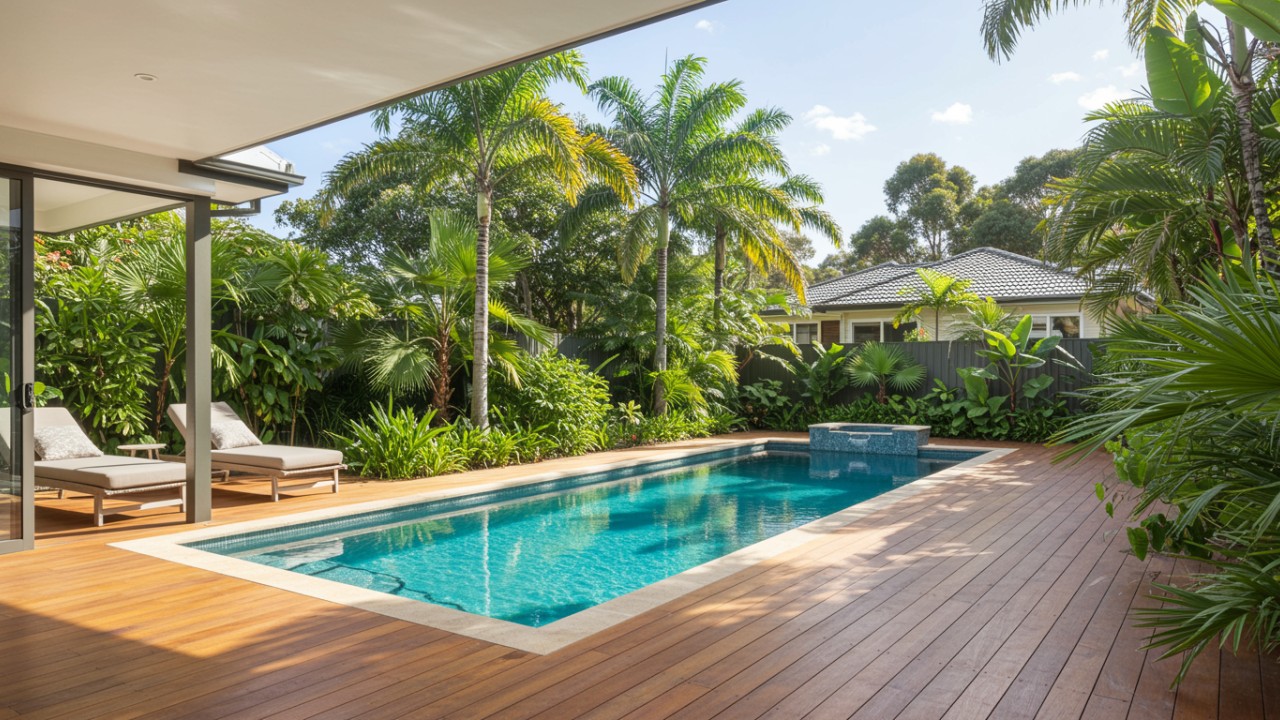
When summer peaks, backyard swimming pools become a daily necessity. In regions like the American Southwest, Gulf Coast, and Southeast, temperatures often exceed one hundred degrees Fahrenheit for weeks. While this weather makes swimming appealing, it creates a hostile environment for electronic equipment. Homeowners using cordless cleaning hardware must manage the internal power source during these months. If you rely on an Aiper cordless robotic pool cleaner for your pool, recognize that extreme heat is the greatest threat to its lithium-ion battery. Protecting your equipment from thermal degradation requires changes in operation and storage during summer.
The Invisible Enemy of Lithium-Ion Chemistry
Understanding why heatwaves are destructive to your hardware involves knowing the basic chemical mechanics of its power source. Modern cordless units use high-capacity lithium-ion battery packs. These cells generate power by moving lithium ions between an anode and a cathode through a liquid electrolyte. This reaction operates best at room temperature, ideally between sixty and eighty degrees Fahrenheit.
When temperatures rise, this reaction accelerates unnaturally. Prolonged heat exposure causes the electrolyte inside the battery cells to break down, forming a restrictive layer on the battery’s components. This buildup increases the battery’s internal resistance, reducing its storage capacity. You won’t see this damage externally, but you’ll feel its effects. A machine that ran for ninety minutes in spring might struggle with a sixty-minute cycle by late August. This phenomenon, known as thermal capacity fade, is irreversible. Once damaged by heat, the lost runtime cannot be recovered. Learn more about thermal capacity fade.

The Hazards of the Post-Clean Bake
Severe thermal damage rarely occurs while the machine cleans the pool. Even when pool water feels warm, it still cools the sealed motor block. The water acts as a cooling system for the battery.
Catastrophic damage occurs when you remove the machine from the water. Pool decks made of concrete, stone pavers, or brick absorb intense UV radiation. By afternoon, concrete pool deck temperatures can exceed one hundred and forty degrees Fahrenheit.
After a cleaning cycle, setting the wet machine on hot concrete is like placing a computer on a frying pan. The dark plastic chassis absorbs heat from the deck and sun. Within ten minutes, the battery chamber’s temperature spikes, stressing the lithium-ion cells.

Establishing a Heatwave Charging Protocol
Charging a lithium-ion battery in the sun is more damaging than just sitting in the heat. Charging generates internal heat. Combined with external heat, the battery’s management system may shut down to prevent a fire.
To preserve your hardware, adopt a heat-conscious charging protocol during summer:
- Immediate Evacuation: After the cleaning cycle, use a hook to pull the machine from the water. Let it drain for ten seconds, then carry it off the hot deck. Never leave it on the concrete while you skim the surface.
- Mandatory Cooldown Period: Don’t charge the machine immediately after a run. The cells are warm from vacuuming. Place it in a shaded, climate-controlled area—like a laundry room or garage—and let it rest unplugged for at least forty-five minutes.
- Dry the Contacts: High humidity causes condensation in the charging port. Use a dry microfiber cloth to wipe the charging pins before connecting the power cable.
- Charge in the Shade: Don’t plug the power transformer into an outlet in direct sunlight. Keep the machine and charging brick in the shade during charging.
Strategic Deployment Timings
Change when you use the unit. Running it during peak heat strains the system. Schedule cleaning for the coolest parts of the day, like lawn care.
By shifting your schedule, you protect the battery and maximize efficiency, as the machine doesn’t fight peak algae growth under the midday sun. Read more about pool maintenance and energy efficiency.
| Summer Timeframe | Ambient Temperature Profile | Hardware Deployment Strategy |
| Dawn (6:00 AM – 8:00 AM) | Lowest air and water temperatures. High morning humidity. | Optimal. The battery operates at peak efficiency. The machine vacuums up dirt and insects that settled overnight. |
| Midday (12:00 PM – 4:00 PM) | Peak UV radiation. Searing deck temperatures. Warmest pool water. | Avoid. Thermal stress is maximum. Keep the machine indoors or in a shaded area. |
| Dusk (7:00 PM – 9:00 PM) | Dropping air temperatures. Deck radiates stored heat away. | Acceptable. A good time to remove sunscreen, band-aids, and debris after a day of swimming. |
Recognizing the Signs of Thermal Degradation
Even with care, batteries age. Monitor the machine during hot months for potential issues. If the chassis bulges or warps near the battery compartment, or if it shuts down after fifteen minutes despite showing a full charge, the cells may be damaged.
Treating your hardware with thermal respect, like a smartphone or laptop, is key to longevity. By not leaving it on a sun-baked deck, enforcing a cooldown before charging, and scheduling early morning cleaning, you mitigate thermal degradation. This approach ensures your equipment retains its runtime, keeping your pool clean through summer heatwaves.