Tea rituals define the rhythm of life in the northernmost mountains of India. When travellers book Kashmir tour packages, they often anticipate snow and valleys, yet the true local heartbeat exists inside a copper kettle called a samovar. The daily consumption of hot brews dictates social hours, business meetings, and household routines. Residents do not view tea simply as a beverage. They treat it as a structural pillar of their daily existence, moving through six distinct brewing styles from dawn until the final hours of the night. The dedication to these specific infusions reveals a profound respect for tradition and hospitality.
Why Do Kashmiris Start the Day With Pink Salt Tea?
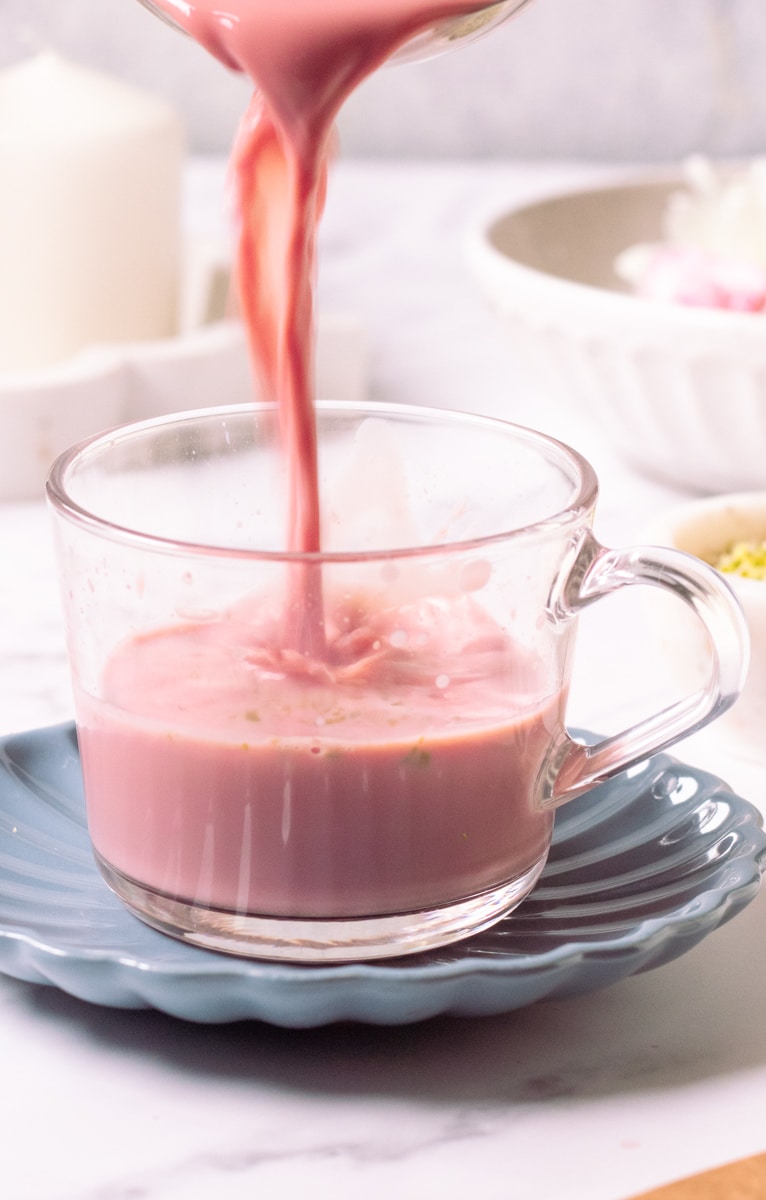
Before the sun fully rises, households wake to the boiling of Noon Chai. This pink, salty tea requires bicarbonate of soda and rigorous aeration to achieve its distinct blush colour. You drink this alongside freshly baked local breads, creating a heavy, warming foundation for the morning. The process demands patience, often taking over an hour of continuous ladling and shocking with cold water.
- Bakers prepare thick breads called girda before daylight to accompany the first cups.
- The salt replaces sugar entirely, which helps retain body heat during harsh winters.
- Families share this large, communal pot before leaving for work or school.
What Makes Morning Kahwa Different From Afternoon Blends?
Around mid-morning, the flavour profile shifts entirely. Kahwa emerges as a fragrant green tea infused with whole spices. While the morning version acts as a sharp energy booster, the afternoon variation serves a different social purpose entirely. The shift from heavy dairy to spiced water marks the transition of the day.
| Feature | Mid-Morning Kahwa | Afternoon Noon Chai |
| Primary Base | Green tea leaves boiled with cardamom and cinnamon. | Gunpowder tea leaves boiled with salt and milk. |
| Accompaniments | Crushed almonds, walnuts, and occasionally raw saffron. | Flaky local pastries like bakarkhani or dry kulcha. |
| Main Purpose | Digestive aid and mild warmth after the first meal. | Social gathering and heavy nourishment before dusk. |
How Do Street Stalls Shape the Midday Tea Culture?
Workers step away from their shops near midday to crowd around wooden carts and small vendors. Here, the traditional preparation makes room for heavily boiled, sweet milk tea often referred to locally as Lipton chai, or sometimes a milky version of Kahwa. This street culture thrives on quick exchanges and rapid consumption. Those browsing local markets or using specific Kashmir tour packages will notice these vendors form the social hubs of every major intersection. Standing by the roadside with a small cup offers a direct window into the daily commerce of the region.
- Vendors boil the mixture continuously to thicken the milk and intensify the flavour.
- Customers stand around small wooden benches, discussing daily trade and local news.
- The high sugar content provides a sharp calorie boost for physical labourers.
What Role Does Tea Play in Kashmiri Evening Homes?
As dusk settles, the samovar returns to the centre of the living room. Guests arrive unannounced, and custom dictates that hosts immediately offer a fresh brew. Serving anything less than a piping hot cup borders on disrespect. The evening transitions from heavy milk teas back to lighter, spice-driven infusions. A sixth and final cup often follows dinner.
- Hosts keep the copper kettle burning with coal to ensure immediate service.
- The late evening Kahwa omits heavy nuts to promote better sleep and digestion.
- Drinking this final cup signals the absolute end of social obligations for the household.
Understanding these deep-rooted customs transforms a standard holiday into a thorough cultural education. You observe the true nature of a destination through the daily habits of its people. If you wish to experience these authentic rhythms directly, Swan Tours operates as a travel agency in Delhi, India, facilitating structured journeys. They provide detailed Kashmir tour packages that connect visitors with genuine local experiences and knowledgeable guides.
Also, you can check the much popular Rajasthan tour packages from Bangalore that is a favourite among people from South India.
Frequently Asked Questions
Does pink salt tea taste like regular milk tea?
No, it tastes distinctly salty and buttery, sharing absolutely no flavour characteristics with standard sweet variations found elsewhere.
What gives the early morning tea its unique hue?
A specific chemical reaction between the tea leaves, cold water aeration, and baking soda creates the pink colour naturally.
Do residents consume these hot beverages during summer months?
Yes, the consumption remains identical throughout the entire year, as the specific spices actually help regulate internal body temperatures.
Will I get to enjoy the tea flavours once I book the Kashmir tour packages?
Definitely, we will make it a point that our guests get to soak in all the cultural divinity, once they are in a place.