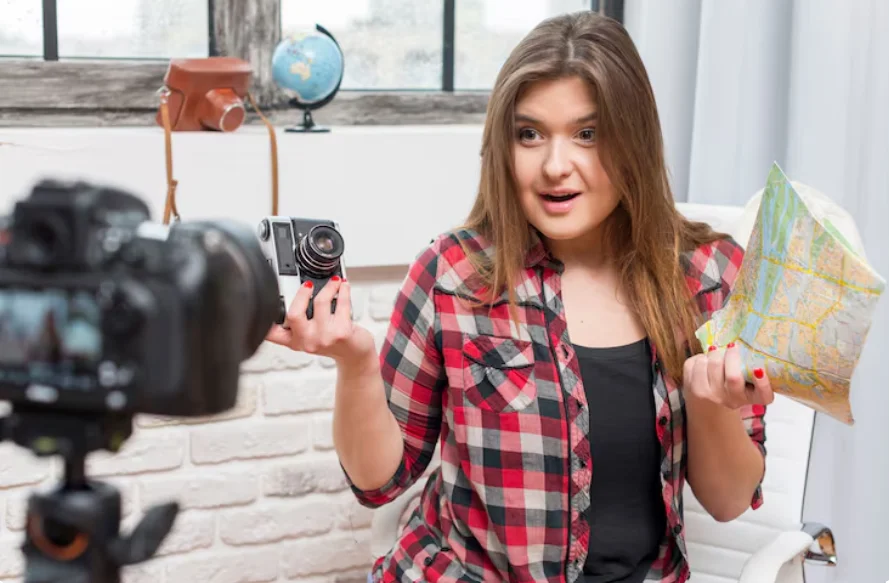
When starting your vlogging journey, one of the first decisions you’ll face is choosing the right camera. While a VLOGカメラ can offer professional-grade video quality, portability, and enhanced features, there are some hidden costs that come with using a dedicated vlogging camera that may not be immediately obvious. These costs, which extend beyond just the price of the camera itself, can add up quickly. In this article, we’ll explore the unexpected expenses that can arise when using a vlogging camera and how to plan for them.
The Cost of Accessories: More Than Just the Camera
While a vlogging camera might seem like the main investment, it’s important to remember that there are a number of essential accessories that you’ll need to purchase to get the most out of your camera. For instance, external microphones are often necessary to improve sound quality, as built-in microphones on most cameras aren’t sufficient for high-quality vlogs. A good microphone can cost anywhere from $50 to several hundred dollars, depending on the model and features.
In addition to a microphone, you’ll likely need a tripod or a stabilizer for steady shots, especially if you’re filming while walking or moving. Gimbals, which are designed to keep your camera steady during motion, can be quite pricey, with some models costing upwards of $300. Even a simple tripod can range from $30 to $100, depending on the brand and quality.
Extra Batteries and Charging Gear: Keep the Power Going
Vlogging sessions can last for hours, and the last thing you want is for your camera to run out of battery halfway through a shoot. While most vlogging cameras come with a standard battery, it’s usually not enough for extended filming. To ensure you can keep recording, you’ll need to invest in additional batteries, which can cost between $20 and $60 each, depending on the model of your camera.
You may also need a portable charger or extra charging cables, especially if you’re vlogging while traveling or on the go. A good portable charger that can keep your camera powered during long shoots can cost anywhere from $30 to $100 or more, depending on its capacity and features.
Lenses and Camera Upgrades: The Cost of Flexibility
One of the biggest benefits of using a vlogging camera is the ability to switch lenses to achieve different looks and effects. However, this flexibility comes with additional costs. High-quality lenses designed for specific vlogging styles, such as wide-angle lenses for capturing more of the scene or macro lenses for close-up shots, can be expensive. A single lens can cost anywhere from $100 to $1,000, depending on its quality and brand.
Additionally, as technology continues to advance, you may find yourself needing to upgrade your camera or its accessories to keep up with the latest features. Newer models may have better autofocus, higher resolution, or improved low-light performance, and upgrading to the latest version can cost a few hundred dollars, depending on the model. For professional vloggers, upgrading equipment regularly can become a recurring expense.
Editing Software and Storage: Beyond Filming
After you’ve captured your footage, the next step is editing. While some basic editing software is free or inexpensive, if you want to create polished, professional-looking content, you may need to invest in more advanced software. Programs like Adobe Premiere Pro or Final Cut Pro X, which are commonly used by vloggers, can cost anywhere from $20 per month for a subscription to a one-time fee of $300 or more.
In addition to editing software, you’ll also need sufficient storage to store all your video files. High-definition and 4K videos take up a lot of space, and you’ll need external hard drives or cloud storage to back up your footage. External hard drives can cost between $50 and $150, and cloud storage services often require monthly or annual subscriptions. These ongoing costs can quickly add up over time.
Insurance and Repairs: Protecting Your Investment
Vlogging cameras, like any piece of equipment, are susceptible to wear and tear, accidents, and malfunctions. If you’re frequently on the move, traveling, or filming in rough environments, there’s always a risk that your camera might get damaged. Repair costs for a broken camera or lens can range from $100 to $500, depending on the severity of the issue.
To protect yourself against unexpected repair costs, some vloggers choose to invest in camera insurance. While insurance can offer peace of mind, it typically comes with an annual premium, which can range from $50 to $150, depending on the coverage level. This cost is often overlooked but is an important consideration when calculating the total cost of owning a vlogging camera.
Travel Costs: Vlogging While on the Go
For many vloggers, filming on the go—whether during travel, events, or outdoor shoots—adds an extra layer of complexity and cost. If you’re vlogging while traveling, you’ll need to factor in the costs of transportation, accommodation, meals, and any additional gear you may need to bring along. These expenses can quickly add up, especially for vloggers who travel frequently for their content.
In addition, carrying all your camera gear, accessories, and spare batteries can lead to excess baggage fees, especially if you’re flying. These fees can range from $50 to $150 per trip, depending on the airline and the amount of gear you’re carrying. If you’re traveling internationally, these costs can be even higher.
The Hidden Cost of Time: Vlogging Takes Effort
While not a direct financial cost, one of the hidden costs of vlogging is the time and effort it takes to create, edit, and publish content. Filming and editing high-quality videos can take hours, especially when you’re striving for perfection. Even after you’ve uploaded your videos, maintaining a consistent posting schedule and engaging with your audience requires significant time investment.
When you factor in the time it takes to plan, shoot, edit, and promote your vlogs, the overall cost of vlogging can be much higher than it initially seems. If you’re trying to turn your vlog into a business, you may need to outsource certain tasks, such as editing or social media management, which adds even more costs.
Be Prepared for the Full Picture
When you buy a vlogging camera, you’re not just investing in the camera itself—you’re also committing to the ongoing costs associated with accessories, maintenance, and upgrades. While these costs may seem hidden at first, they are an essential part of the vlogging process and should be accounted for before you make your purchase. By understanding the full picture of vlogging camera costs, you can better prepare for the financial commitment involved and ensure that you’re set up for success as a content creator.