
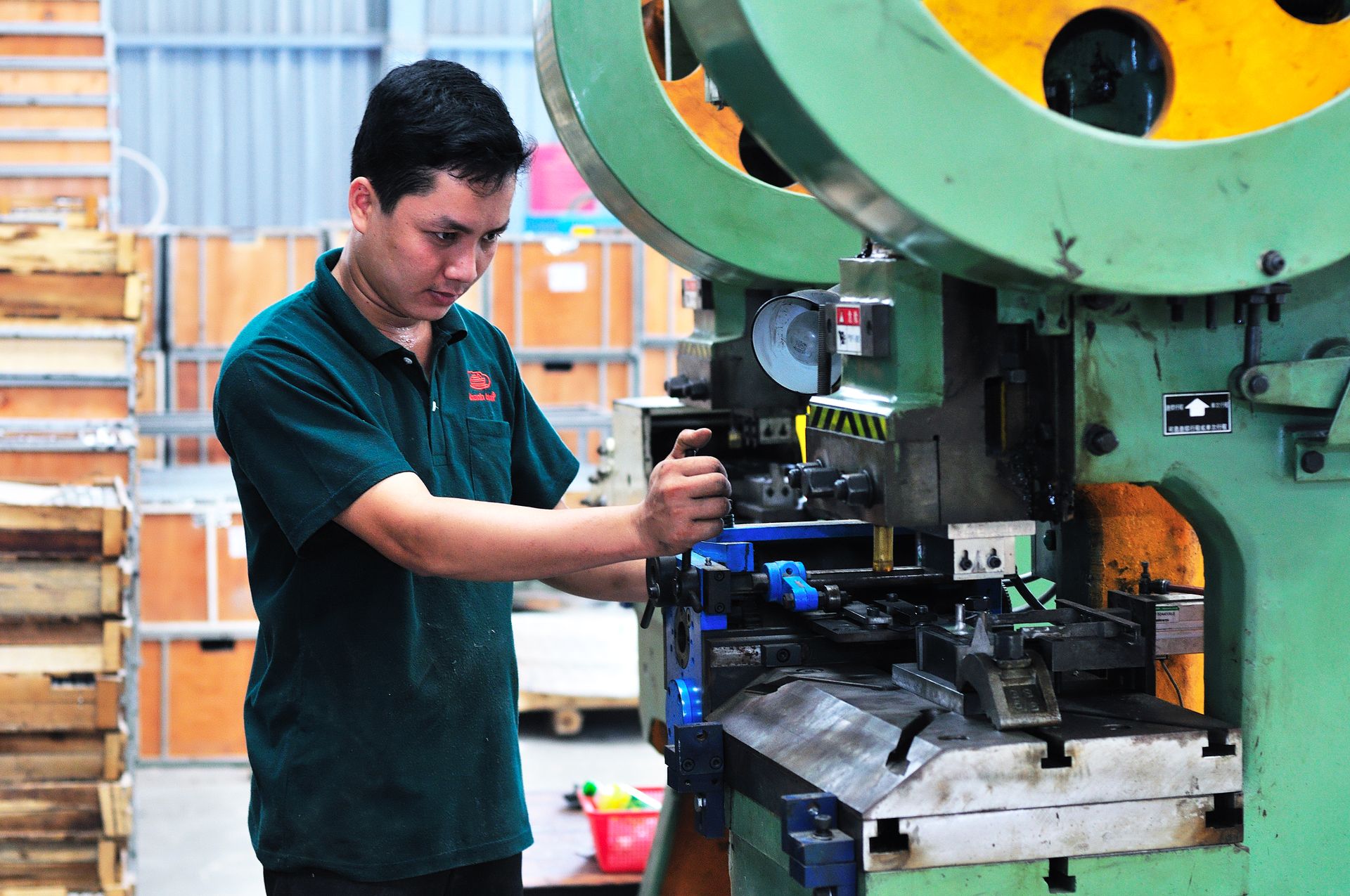
When Manufacturing Stops Feeling “Traditional”
Precision manufacturing used to feel like something fixed such as machines, metal, measurements, and repeat. That version still exists in some places, but it’s no longer the whole picture.
What’s changing now is the way everything is connected. Machines don’t just run programs anymore; they respond. They adjust. Sometimes they even “correct” themselves mid-process based on what the sensors are picking up. Vibration shifts slightly? The system notices. Tool wear starts to appear? It gets flagged before it becomes a problem. Temperature drifts? The process compensates.
It’s not magic, just layers of data, sensors, and control systems working quietly in the background. But the result feels different on the factory floor, less guesswork, and more flow.
Digital Twins: Testing Before Anything Is Real
One of the more practical shifts is digital twin technology. Instead of cutting metal first and fixing mistakes later, manufacturers now simulate the entire process digitally. Everything is tested in advance such as tool paths, material stress, machine load, and even failure points. It sounds very high-tech (and it is), but the real value is simple: fewer surprises.
Platforms like NVIDIA’s simulation tools have pushed this further, making physics-based modelling fast enough to actually use in real production planning instead of just research labs. And in industries where one mistake can cost weeks like aerospace or semiconductor manufacturing that kind of predictability matters a lot.
CNC Machining Is No Longer “Just Programmed”
CNC machines have changed quietly but significantly. Earlier, they followed instructions step-by-step. Now, they react to feedback while working. The goal is still accuracy, but the way that accuracy is maintained is far more dynamic.
Micron-level precision is becoming standard in high-end manufacturing setups, especially where components are small, complex, or extremely expensive to get wrong.
Inside this environment, tooling becomes more important than people usually realise. Even something as specific as modern cutting tools or advanced machining inserts can make a difference in keeping operations stable especially when production runs are long and interruptions are costly.
These tools are valued less for complexity and more for practicality: quick edge changes, reduced downtime, and consistent performance under pressure.
Hybrid Manufacturing Is Quietly Reshaping Production
Another shift happening in the background is the blending of additive and subtractive manufacturing. Instead of choosing between 3D printing or CNC machining, factories are starting to use both in the same workflow.
A part might be printed close to its final shape, then refined using CNC tools for precision. This reduces waste and also makes it possible to build designs that were previously too complex or too expensive to manufacture. It’s not replacing traditional machining; it’s extending it.
AI In Factories Is Becoming Less “Tool” And More “Layer”
AI is no longer sitting in the background as a reporting system. In modern setups, it actively participates in operations. It tracks machine performance in real time, spots patterns humans would likely miss, and helps prevent issues before they escalate.
A small vibration pattern can indicate that a tool is wearing unevenly. A slight change in cutting resistance might suggest material inconsistency. AI systems pick up on these signals and adjust parameters or alert operators before failure happens. The interesting part is how normal this is becoming. It’s not treated as innovation anymore; it’s just part of how systems run.
Automation, Robotics, And The “Always-On” Factory
Robotics has also moved past repetitive motion tasks. Now robots handle material movement, precision loading, inspection tasks, and in some cases, even collaborative roles alongside humans.
These systems are supported by edge computing, which processes data closer to the machine instead of relying on distant servers. That reduces delay and makes responses faster and more reliable. The end result is a production line that doesn’t really “stop” in the traditional sense; it adjusts and continues.
Sustainability Is Now Part of Performance, Not Just Reporting
A noticeable shift in recent years is how sustainability is being treated inside manufacturing environments. It’s no longer just about compliance reports. It’s becoming part of performance measurement.
Energy usage is tracked in real time. Cutting strategies are optimised to reduce waste. Coolant usage is being minimised where possible. Even tool selection is influenced by how long it lasts and how efficiently it operates. Small changes, when multiplied across large production systems, start to matter a lot.
Where Tooling Fits into All of This
With all this talk of AI, robotics, and simulation, it’s easy to overlook something very basic: tools still do the actual cutting. And in high-performance environments, small improvements in tooling have a big impact on everything else.
Modern machining setups depend heavily on tools that reduce interruptions and stay consistent under continuous load. In that context, indexable systems are widely used because they allow quick replacement of cutting edges without changing the full tool setup. That’s why indexable turning inserts remain relevant in CNC operations. They help keep production moving without unnecessary downtime or recalibration delays.
Closing Thought
Precision manufacturing isn’t shifting because of one breakthrough. It’s shifting because of many small improvements stacking on top of each other such as smarter software, better simulation, faster feedback loops, and more adaptable tooling.
The result is a production environment that feels less static and more responsive, where machines, data, and tools all play a role in keeping things stable, efficient, and increasingly self-correcting.

