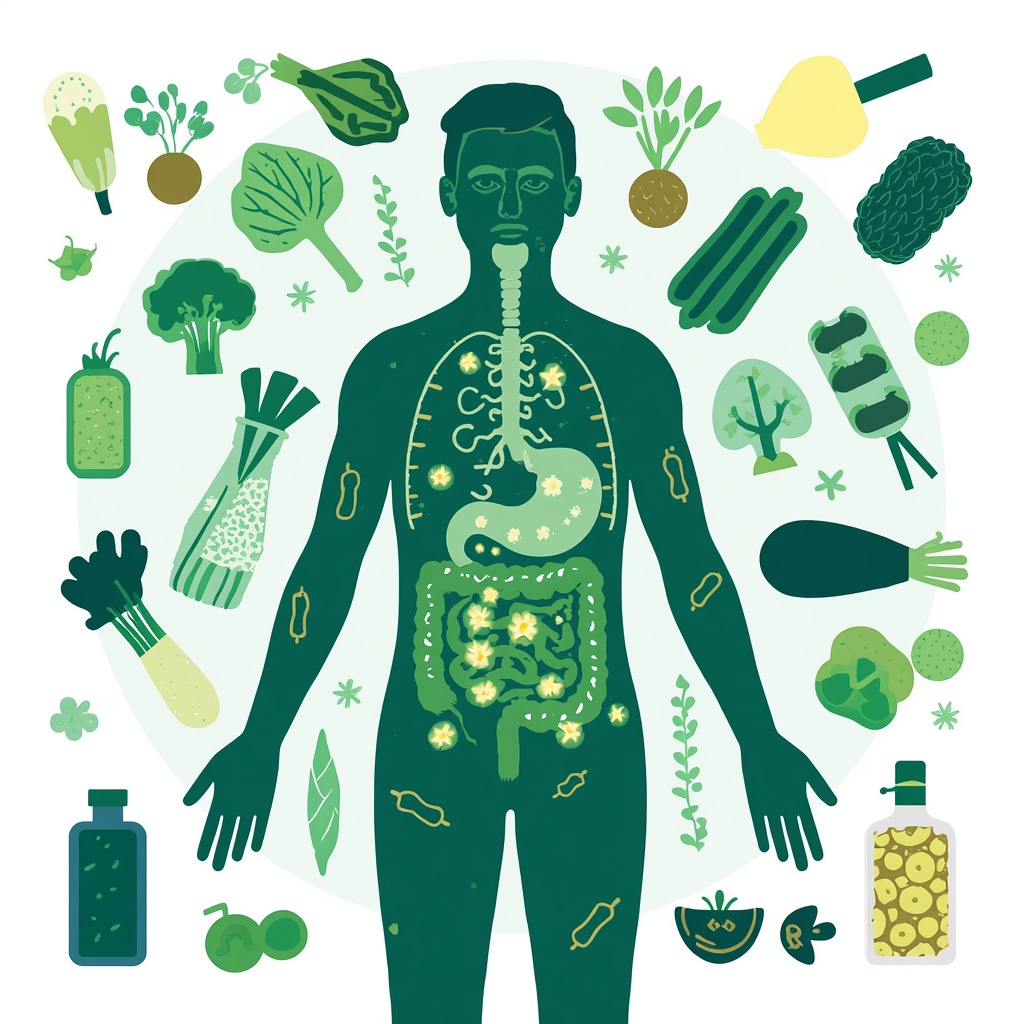
We often think weight control is only about diet and exercise, but your body works in a more complex way. The Gut-Metabolism Connection: Why Your Digestive Health Controls Your Weight shows how your gut health, metabolism, and digestive system work together. When your gut microbiome is balanced, your body manages fat burning, energy levels, and weight control more efficiently, making healthy living feel much easier and more natural overall system.
We all notice how some people eat normally yet stay lean, while others struggle with stubborn fat no matter what they try. The secret often hides in gut balance, metabolic rate, and digestive efficiency. When your microbiome health is disrupted, your body sends mixed hunger signals, increases cravings, and slows down natural fat burning processes, making weight loss feel frustrating.
Understanding the Gut-Metabolism Connection
Your gut is like a busy control center for your health. Millions of tiny organisms inside your digestive tract talk directly to your metabolic rate. This gut-metabolism connection decides how fast you burn calories and store fat. When your digestive system is healthy, your body processes food efficiently, keeps your blood sugar steady, and gives you steady, natural energy all day.
How Gut Bacteria Influence Energy Balance
The microbes in your stomach help break down the foods you eat every day. They extract hidden nutrients and produce short-chain fatty acids that signal your brain when you are full. This complex gut-brain axis communication controls your daily appetite and prevents overeating.
If your gut microbiota is out of balance, your body might harvest too many calories from simple meals. This imbalance alters your energy expenditure, causing your body to store excess fuel as fat instead of burning it off during your normal daily activities.
The Role of Gut Microbiome in Weight Control
Your unique gut microbiome plays a massive role in long-term weight management. Certain microbes actually change how you store fat and respond to hunger. Maintaining a diverse mix of healthy bacteria makes it much easier to drop extra pounds and keep your body operating at its absolute best.
Good vs. Bad Bacteria Balance
A healthy body needs a strong balance between different families of microbes. Having more helpful Bacteroidetes and fewer Firmicutes is generally linked to a leaner body. Eating high-fiber foods and probiotics feeds the helpful microbes so they can thrive and support your health.
Bacteria Type
Main Source
Impact on Weight
Good Bacteria
Fiber, Fermented Foods
Boosts metabolism and reduces fat storage
Bad Bacteria
Sugar, Processed Foods
Increases inflammation and fat retention
When harmful microbes take over, they cause metabolic endotoxemia, which triggers low-grade swelling. This internal irritation makes your cells resistant to insulin and actively causes weight gain. To fix this, you must change your daily diet to rebuild your inner defenses.
- Eat plenty of prebiotic fibers like garlic, onions, and bananas.
- Add fermented items like yogurt or kefir to boost microbial diversity.
- Cut back on artificial sweeteners that harm your intestinal lining.
- Manage your daily stress to protect your gut barrier health.
- Get quality sleep to keep your internal circadian rhythm on track.
How Poor Digestive Health Slows Metabolism
When your gut is unhappy, your entire body suffers. Poor digestion causes a sluggish metabolic rate because your body cannot absorb nutrients properly. If you want to fix this breakdown, using a targeted metabolism digestion supplement can help restore balance. A healthy gastrointestinal tract ensures you burn calories efficiently instead of storing them away as fat.
Inflammation and Metabolic Slowdown
A damaged gut leaks harmful toxins into your bloodstream, causing chronic systemic inflammation. This constant, low-grade irritation confuses your cells and forces your immune system into overdrive. When your body is busy fighting this internal stress, it naturally slows down your daily energy expenditure to conserve fuel.
This ongoing swelling directly leads to insulin resistance, meaning your cells cannot absorb glucose properly. As a result, your blood sugar spikes, and your body stores excess energy as stubborn visceral fat. Over time, this cellular damage alters your metabolic function and makes weight loss nearly impossible.
Inflammatory Trigger
Effect on Gut
Impact on Metabolism
Leaky Gut Syndrome
Weakens intestinal permeability
Triggers fat storage and stalls calorie burning
Dysbiosis
Lowers microbial diversity
Causes severe metabolic dysfunction
- Chronic swelling damages critical hormone receptors that regulate appetite.
- Poor nutrient absorption reduces the fuel available for cellular respiration.
- High toxin levels place immense stress on your liver health.
- An overactive immune response alters your thyroid and resting metabolic rate.
- Unhealthy gut walls decrease the production of fat-burning short-chain fatty acids.
Gut Hormones That Control Hunger and Fat Storage
Your digestive tract produces powerful chemical messengers that rule your appetite. These specific gut hormones signal your brain when it is time to eat or stop eating. When your endocrine system is working perfectly, these molecules regulate your lipid metabolism easily, helping your body burn fat for fuel instead of storing it around your waistline.
Ghrelin and Leptin Balance
Your stomach releases ghrelin to tell your brain that your body needs food. This specific molecule is often called the hunger hormone because it drives your daily appetite stimulation. When your stomach is completely empty, levels spike sharply to ensure you seek out fuel.
Conversely, your fat cells release leptin to signal that you have plenty of stored energy. This crucial hormone creates a feeling of satiety so you naturally stop eating. Keeping these two chemical messengers balanced is essential for maintaining a healthy basal metabolic rate.
Hormone Name
Primary Source
Main Role in Body
Ghrelin
Stomach Lining
Increases hunger and triggers energy storage
Leptin
Adipose Tissue (Fat)
Signals fullness and boosts energy expenditure
- Eating lean protein significantly suppresses your daily ghrelin production.
- Chronic sleep deprivation lowers your natural fat-burning leptin levels.
- High stress levels disrupt your normal hormonal pathways and cause cravings.
- Processed foods can trigger severe leptin resistance in your brain cells.
- Regular exercise improves your body’s overall hormonal sensitivity for weight control.
How to Improve Gut Health for Better Metabolism
Healing your digestive system is the secret to a faster metabolic rate. By changing what you eat, you can transform your inner microbiome ecosystem. Cultivating a healthy environment inside your stomach allows your body to process nutrients efficiently, balance important hormones, and naturally increase your daily calorie burning capacity without feeling constantly exhausted.
Eat More Fiber and Prebiotics
To fix your digestion, you must feed the beneficial bacteria already living inside you. Eating plenty of dietary fiber gives these microbes the fuel they need to survive. This simple dietary habit helps your body create vital short-chain fatty acids that protect your overall health.
When you consume specific prebiotic foods like garlic, onions, and raw oats, you directly support your inner ecosystem. These unique plant fibers bypass early digestion to nourish your lower gut. This targeted nourishment stabilizes your blood glucose levels and keeps your energy steady.
Include Fermented Foods
Adding live cultures to your daily diet is an excellent way to boost your inner microbial diversity. Fermented items naturally introduce millions of helpful organisms straight into your digestive tract. This simple addition strengthens your natural gut barrier and improves your daily nutrient absorption.
Great options include unsweetened yogurt, fresh kefir, sauerkraut, and traditional kombucha. Consuming these probiotic-rich foods regularly helps crowd out harmful microbes that slow down your body. Over time, this positive shift reduces swelling and optimizes your active metabolic function for easier weight management.
Reduce Processed Foods
Eating too many heavily processed items can quickly destroy your delicate intestinal lining. Refined sugars and artificial additives feed the harmful microbes that trigger internal swelling. This negative shift causes gut dysbiosis, which can lead to a sluggish system and unwanted fat storage.
When you cut back on packaged snacks, your gastrointestinal tract can finally heal itself. Removing these inflammatory triggers prevents dangerous toxins from leaking into your bloodstream. This healthy lifestyle change reverses insulin resistance and helps your body burn calories naturally instead of holding onto them.
Conclusion
Ultimately, your metabolic health and weight management are deeply tied to the state of your gut microbiome. By focusing on a nutrient-dense diet rich in fiber, prebiotics, and fermented foods, you can effectively balance your gut hormones and eliminate harmful systemic inflammation. A healthy digestive tract naturally optimizes your energy expenditure, making it much easier to achieve your body goals.
Taking care of your gastrointestinal tract is a powerful, sustainable way to revitalize a sluggish metabolic rate. Making simple, daily lifestyle shifts to support your inner microbial diversity does more than just improve digestion—it resets your entire system. Prioritizing your inner ecosystem gives your body the foundation it needs for long-term vitality, steady energy, and effortless weight control.
FAQ’s
Q1: How does the gut-metabolism connection affect my daily weight?
An optimized gut-metabolism connection helps your body burn calories efficiently instead of storing them as stubborn fat.
Q2: Can I improve my gut-metabolism connection naturally?
Yes, eating prebiotic fiber and fermented foods balances your microbiome to strengthen your gut-metabolism connection easily.
Q3: What destroys a healthy gut-metabolism connection?
Eating highly processed foods and sugar triggers inflammation, which quickly damages your vital gut-metabolism connection.
Q4: Does sleep impact the gut-metabolism connection?
Poor sleep disrupts your inner hunger hormones, which directly harms your overall gut-metabolism connection health.
Q5: Will a fast gut-metabolism connection give me more energy?
Absolutely, a healthy gut-metabolism connection stabilizes blood sugar to provide consistent, natural energy all day.