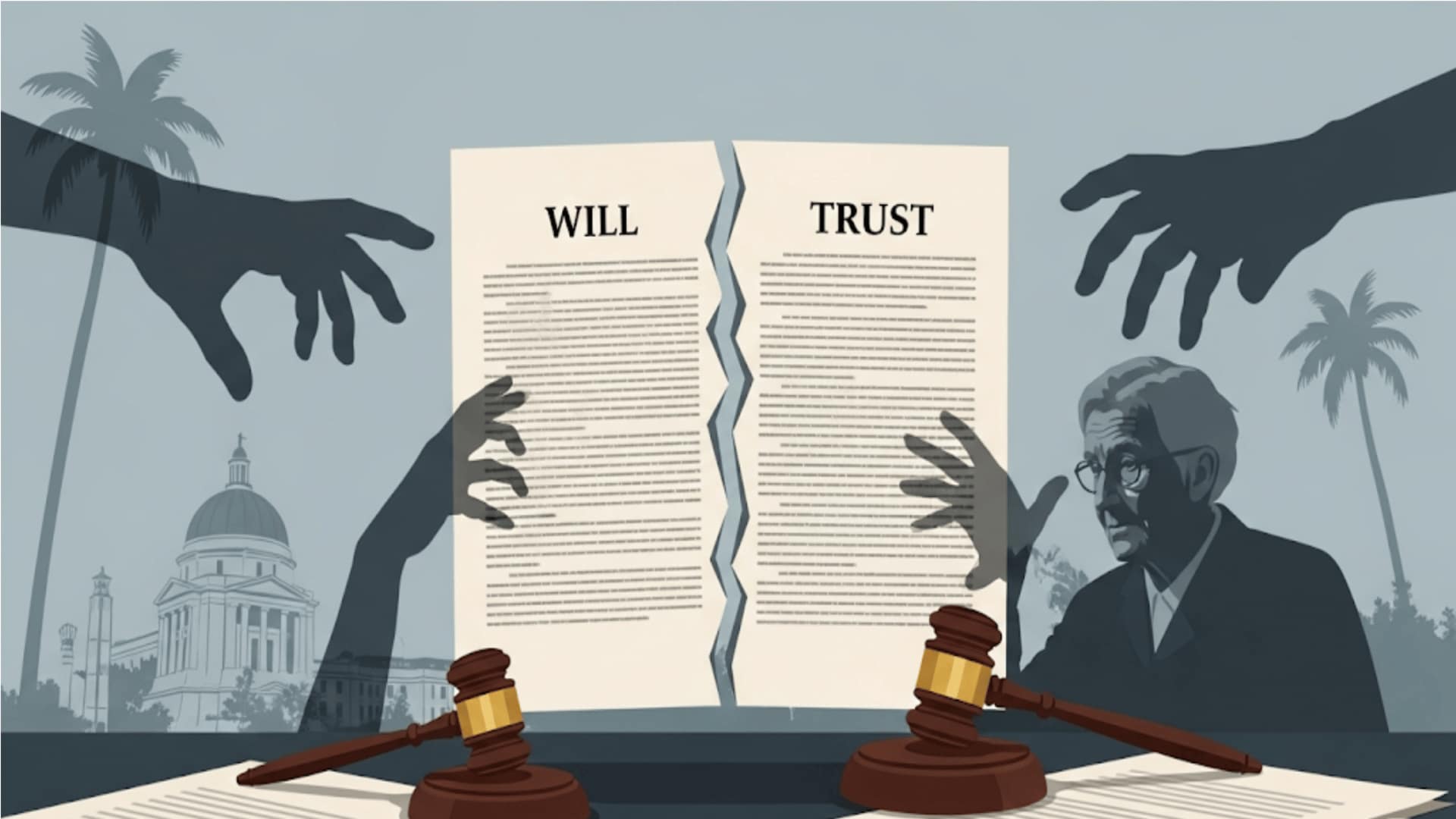
Undue influence cases in California will and trust contests are decided primarily on circumstantial evidence, and the interpretation of that circumstantial evidence by expert witnesses often determines whether the contest succeeds or fails. Unlike direct evidence cases where a witness simply describes what they saw, undue influence cases require experts who can translate medical records, financial data, and behavioral observations into an opinion about whether the testator’s will was overcome by another person’s influence. Understanding which expert categories are most important in California undue influence cases, what specific opinions they provide, and how to evaluate the strength of opposing expert testimony gives challengers and trustees the framework for managing the expert dimension of trust litigation.
Geriatric Psychiatrists and Neuropsychologists
The most important expert in most California undue influence cases is the mental health professional who reviews the testator’s medical records and provides an opinion on the testator’s cognitive status, vulnerability to influence, and capacity at the time the contested document was executed. Geriatric psychiatrists and neuropsychologists with specific experience in testamentary capacity evaluations bring not only the clinical expertise to interpret medical records but also familiarity with the specific legal standards that California courts apply to capacity and vulnerability assessments. The expert’s opinion must address the specific legal standard, not just clinical impairment in the abstract: an expert who opines that the testator had dementia without connecting that diagnosis to the specific legal standard for testamentary capacity is providing less useful evidence than one who addresses each element of the capacity test directly.
Forensic Accountants as Financial Pattern Experts
Forensic accountants in undue influence cases analyze the testator’s financial records to identify the pattern of transfers, account changes, and financial behavior that typically accompanies exploitation of a vulnerable elder. When an influencer began receiving money from the testator around the same time they began controlling the testator’s access to other family members, and when those transfers accelerated as the estate plan was being changed, the forensic accountant’s analysis of the financial records tells a story that the medical expert’s clinical opinion about vulnerability helps explain. The combination of the medical vulnerability expert and the financial pattern expert creates a two-dimensional analysis of the exploitation that is more compelling than either alone.
The Estate Planning Attorney as a Fact Witness
The attorney who drafted the contested document is typically called as a fact witness rather than an expert witness, but their testimony about the testator’s demeanor, their assessment of the testator’s independent expression of their wishes, and the specific circumstances of the signing is among the most important evidence in the case. When the estate planning attorney testifies that the testator clearly and independently expressed their wishes at the signing appointment, that the influencer was not present during the private attorney-client consultation, and that the testator appeared to understand what they were signing, this testimony significantly undermines the undue influence case. When the attorney’s testimony reveals that the influencer was present throughout, that the attorney relied on the influencer to relay the testator’s instructions, and that the attorney had concerns about the testator’s understanding that they did not adequately address, the testimony provides powerful support for the contest.
The California Legislature’s Evidence Code Section 720 governs expert witness qualifications. Working with experienced attorneys who help clients prove undue influence in a California will or trust who have relationships with qualified geriatric psychiatrists, forensic accountants, and estate planning experts gives challengers the expert infrastructure that undue influence cases require.