In an era where smartphones have woven themselves into the fabric of daily life, tech giants are already envisioning a future that stretches beyond the touchscreens in our pockets. Companies like Apple, Google, and Samsung are at the forefront of developing technologies that promise to redefine human-computer interaction. As we stand on the cusp of a technological revolution, it’s crucial to explore the innovations that are set to transform our world. This article dives into the strategic shifts and groundbreaking technologies that these industry leaders are pursuing, offering a glimpse into a post-smartphone era where augmented reality, artificial intelligence, and the Internet of Things take center stage.
Tech Giants’ Strategic Innovations
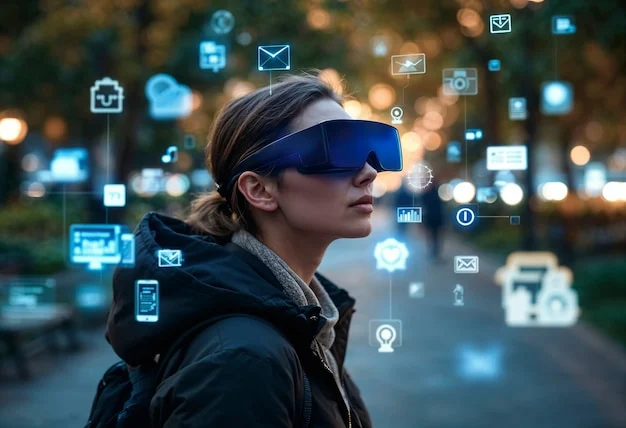
As the smartphone market reaches saturation, major technology companies are pivoting towards more immersive and interconnected experiences. Apple, known for its innovation, is reportedly investing heavily in augmented reality (AR) and wearable technology. Their rumored AR glasses could revolutionize how we interact with digital content, merging the virtual and physical worlds seamlessly.
Google, meanwhile, is leveraging its strengths in artificial intelligence (AI) and machine learning to create smarter, more intuitive devices. The company’s advancements in AI are expected to enhance everything from personal assistants to autonomous vehicles, pushing beyond the capabilities of current smartphone technology.
Samsung, with its diverse tech ecosystem, is focusing on integrating the Internet of Things (IoT) into everyday life. From smart homes to connected cities, Samsung’s vision involves a world where devices communicate and collaborate effortlessly, enhancing convenience and efficiency.
Emerging Technologies Shaping the Future
The post-smartphone era is defined by several key technological advancements:
- Augmented and Virtual Reality: AR and VR are not just for gaming anymore. These technologies are poised to revolutionize fields such as education, healthcare, and retail by providing immersive experiences and real-time data visualization.
- Artificial Intelligence: AI is becoming integral to new tech ecosystems, enabling devices to learn and adapt to user behavior, offering personalized experiences that go beyond traditional interfaces.
- Internet of Things: IoT is expanding rapidly, with applications ranging from smart thermostats to autonomous vehicles. This interconnected network of devices promises to create a more efficient and responsive environment.
Implications for Consumers and Businesses
The transition to a post-smartphone world presents both opportunities and challenges. For consumers, the benefits include more personalized experiences, greater convenience, and enhanced connectivity. However, these advancements also raise concerns about privacy and data security, as more personal information is shared across interconnected devices.
Businesses stand to gain from increased efficiency and new revenue streams through the adoption of these technologies. However, they must also navigate the complexities of data management and cybersecurity in this new digital landscape.
A New Era of Innovation
The shift beyond smartphones is not merely an evolution; it’s a revolution in how we interact with technology. As tech giants continue to innovate, the boundaries between the digital and physical worlds will blur, leading to a future where our interactions with technology are more seamless and intuitive than ever before.
This transformation brings with it the potential for significant societal impact, offering solutions to some of the world’s most pressing challenges, from healthcare to climate change. As we move forward, it is essential to balance innovation with ethical considerations, ensuring that the future of technology is inclusive, secure, and sustainable.
In conclusion, the vision of a future beyond smartphones is both exciting and complex. As we embrace these new technologies, the challenge will be to harness their potential responsibly, creating a world that benefits everyone. Keep an eye on the innovations emerging from tech giants, as they will undoubtedly shape the future in profound and unexpected ways.
Frequently Asked Questions
- What technologies are expected to replace smartphones? Emerging technologies like augmented reality, wearable devices, and AI are poised to complement or replace traditional smartphones.
- How are tech companies preparing for the post-smartphone era? Companies are investing in new technologies such as AR, VR, and IoT to create immersive and interconnected experiences.
- What are the implications of moving beyond smartphones? This transition offers opportunities for enhanced user experiences and efficiency but also raises concerns about privacy and security.
- Will smartphones become obsolete? While smartphones may not become entirely obsolete, their role is likely to evolve as new technologies emerge.
- How will AI impact future technology? AI will enable more personalized and adaptive technologies, transforming how we interact with digital devices.
Stay informed and be ready to adapt as the tech landscape evolves, as this is just the beginning of an exciting journey into the future.