
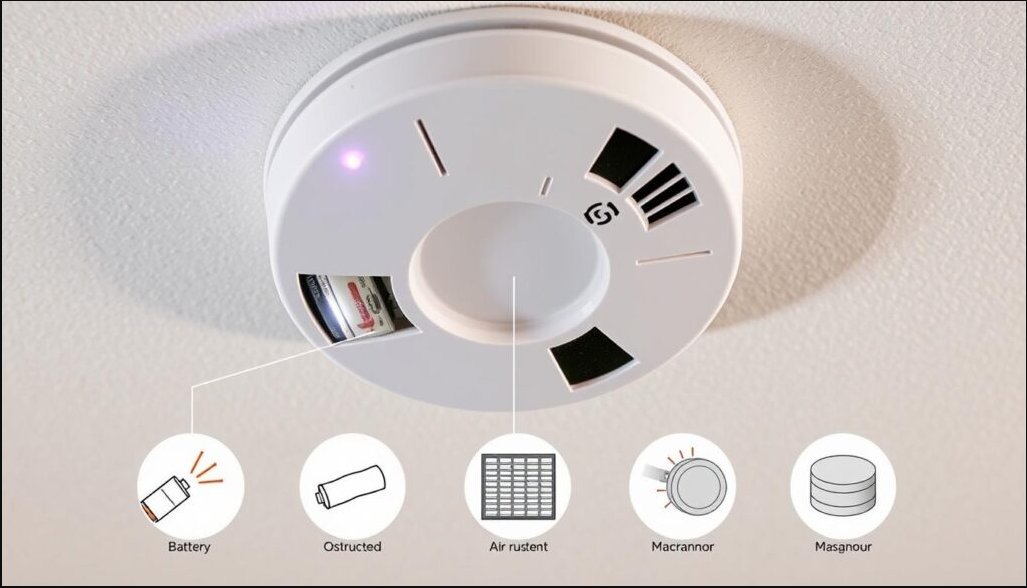
Smoke alarms are vital safety devices designed to alert homeowners to potential fire hazards. When a smoke alarm emits intermittent sounds, it usually indicates a maintenance or functional issue rather than an immediate fire. Smoke detector beeping is a built-in warning system meant to signal problems such as low battery, dust accumulation, or device malfunction. Recognizing these signals is crucial for ensuring continuous protection in the home.
Unlike continuous alarms triggered by smoke or fire, periodic chirps often indicate preventative alerts. Understanding the source of the sound allows homeowners to act promptly and maintain a safe environment.
Common Causes of Alarm Warning Sounds
Low or Depleted Battery
The most common reason for warning sounds is a low battery. Even hardwired smoke detectors often rely on backup batteries. When the battery voltage drops, the alarm emits periodic beeps to notify occupants before total failure occurs.
Also, explore Sigmacare Login: Secure Access To Healthcare Management Systems
Dust, Dirt, or Environmental Factors
Dust, dirt, or small insects inside the sensor chamber can interfere with proper function, causing false warnings. Homes with high humidity or temperature fluctuations may also trigger sensor sensitivity issues, leading to unexpected chirps.
Power Interruptions in Hardwired Units
Hardwired alarms may beep due to power outages or loose electrical connections. When the alarm switches between main power and backup battery, it can generate a warning sound indicating a power issue.
End of Device Lifespan
Smoke detectors have a limited operational lifespan, typically 7 to 10 years. When internal components degrade, alarms may produce end-of-life beeps to signal the need for replacement.
How to Fix smoke detector beeping Effectively
Step 1 Identify the Alert Type
Determine if the sound is a continuous alarm or an intermittent chirp. Continuous alarms indicate smoke or fire, while chirping typically points to maintenance issues.
Step 2 Replace the Battery
Install a new, high-quality battery in the correct orientation. Ensure the battery compartment is closed securely to restore normal operation.
Step 3 Clean the Alarm Unit
Remove dust and debris using compressed air or a soft brush. Avoid using water or cleaning chemicals that could damage sensitive components.
Step 4 Reset the Detector
After maintenance, press and hold the reset button for several seconds. This clears any residual alerts and recalibrates the alarm system.
Step 5 Replace Old or Malfunctioning Units
If the device continues to beep after troubleshooting and is near or past its recommended lifespan, replacing the smoke detector is the safest solution.
Preventive Maintenance Tips
Regular maintenance reduces false alarms and ensures reliable operation. Key practices include:
- Testing alarms monthly
- Replacing batteries annually
- Cleaning sensors twice a year
- Monitoring environmental factors such as humidity and temperature
These steps improve long-term performance and home safety readiness.
Importance of Promptly Addressing Warning Sounds
Ignoring warning beeps can compromise safety. A malfunctioning smoke detector may fail during an emergency, increasing the risk of property damage, injury, or loss of life. Timely maintenance ensures alarms function as intended and provide early warning when needed.
Frequently Asked Questions
1.Why does my smoke detector beep mostly at night
Temperature drops can reduce battery voltage, making low-battery warnings more noticeable.
2.Can humidity or steam cause beeping
Yes, excessive moisture from kitchens or bathrooms can interfere with sensor accuracy.
3.How often should smoke detectors be replaced
Manufacturers typically recommend replacement every 7 to 10 years.
4.Is it safe to remove the battery to stop the noise
No, removing the battery disables the alarm and compromises home safety.
5.Do interconnected smoke alarms trigger each other
Yes, one faulty or low-battery unit can activate alerts across all interconnected alarms.
Conclusion
Addressing smoke detector beeping promptly is essential for maintaining a secure and safe home. Whether caused by low batteries, dust, power issues, or aging devices, these warning sounds are designed to prevent failure before an actual emergency occurs. Through regular testing, cleaning, and timely replacement, homeowners can ensure their smoke detection systems remain reliable, effective, and ready to protect lives when it matters most.

