
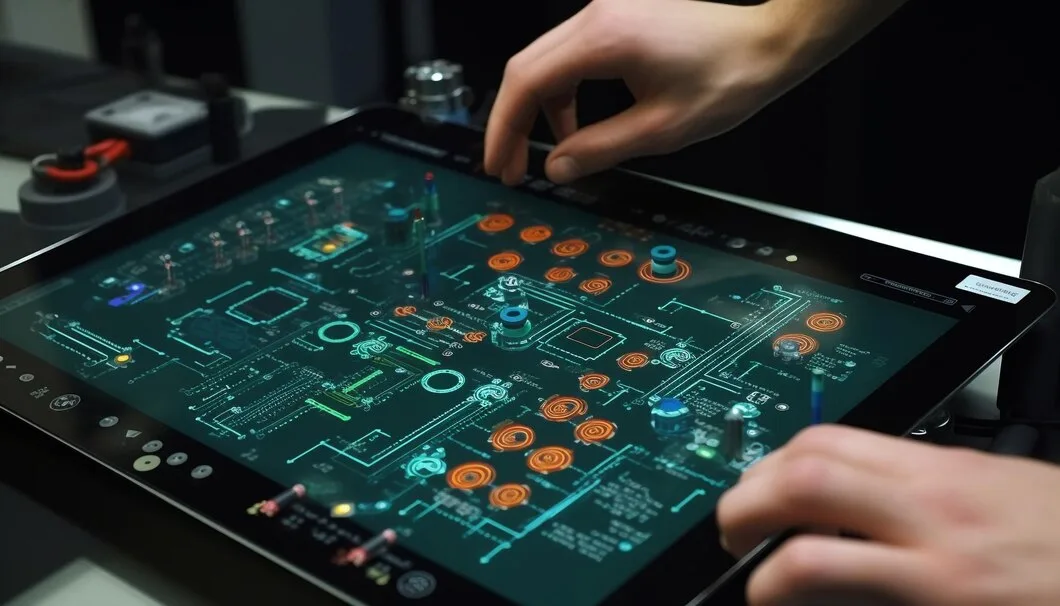
Printed circuit board (PCB) design is one of the most critical stages in electronics manufacturing. A well-designed PCB improves performance, simplifies assembly, reduces production costs, and ensures long-term product reliability. On the other hand, even small design mistakes can result in manufacturing delays, signal integrity issues, overheating, or complete product failure. As electronic devices continue to become smaller and more advanced, engineers must pay closer attention to every aspect of PCB layout and fabrication.
FastTurnPCBs helps engineers avoid these challenges by providing expert engineering support, advanced manufacturing technologies, and comprehensive design verification services. Whether customers require a fast turn prototype pcb board for rapid testing or full-scale Fast Turn PCB production, the company focuses on delivering reliable circuit boards that meet the highest quality standards. Understanding common PCB design mistakes can help businesses reduce development time, improve product performance, and lower manufacturing costs.
Why PCB Design Matters
PCB design serves as the foundation of every electronic product. The placement of components, routing of traces, material selection, and layer stack all influence the board’s electrical and mechanical performance.
A well-designed PCB offers several benefits:
- Stable electrical performance
- Easier manufacturing
- Better thermal management
- Improved signal integrity
- Reduced assembly defects
- Lower production costs
Investing time in proper PCB design helps prevent expensive revisions later in the manufacturing process.
Mistake 1: Poor Component Placement
One of the most common PCB design mistakes is improper component placement. Components that are positioned too closely together or without considering signal flow can create assembly difficulties and thermal issues.
To avoid this problem:
- Group related components together.
- Keep high-speed circuits separate from sensitive analog circuits.
- Leave enough spacing for soldering and inspection.
- Place connectors in accessible locations.
- Position heat-generating components away from temperature-sensitive parts.
A thoughtful layout improves both manufacturing efficiency and long-term reliability.
Mistake 2: Incorrect Trace Width
PCB traces carry electrical current throughout the circuit board. If traces are too narrow, they may overheat or create voltage drops.
Proper trace width depends on:
- Current requirements
- Copper thickness
- Operating temperature
- Layer configuration
FastTurnPCBs reviews customer designs before production to verify trace dimensions meet manufacturing and electrical requirements.
Mistake 3: Poor Ground Plane Design
An inadequate ground plane can introduce electrical noise, reduce signal quality, and increase electromagnetic interference (EMI).
Best practices include:
- Using continuous ground planes
- Minimizing ground interruptions
- Reducing loop areas
- Maintaining short return paths
- Separating noisy and sensitive circuits when necessary
A properly designed ground system improves signal stability and overall circuit performance.
Mistake 4: Ignoring Thermal Management
Modern electronic devices generate significant heat during operation. Without proper thermal management, excessive temperatures can shorten component lifespan and reduce reliability.
Effective thermal management includes:
- Thermal vias
- Copper pours
- Heat sinks
- Proper airflow
- Adequate component spacing
Considering heat dissipation early in the design process helps prevent performance issues after production.
Mistake 5: Inadequate Design Rule Checking
Skipping design rule checks (DRC) before manufacturing can lead to fabrication errors that delay production.
FastTurnPCBs performs comprehensive engineering reviews to verify:
- Trace spacing
- Hole sizes
- Pad dimensions
- Layer alignment
- Clearance requirements
- Manufacturing compatibility
Early verification helps eliminate costly mistakes before fabrication begins.
Mistake 6: Poor Signal Routing
Signal routing becomes increasingly important in high-speed electronic designs.
Common routing errors include:
- Excessively long traces
- Sharp 90-degree corners
- Unmatched differential pairs
- Inconsistent trace spacing
- Unnecessary vias
Following proper routing techniques improves signal integrity while reducing interference and transmission losses.
Mistake 7: Overlooking Manufacturing Requirements
A PCB that functions correctly in design software may still be difficult to manufacture if production limitations are ignored.
Engineers should consider:
- Minimum trace widths
- Drill size limitations
- Panelization
- Component availability
- Assembly requirements
FastTurnPCBs works closely with customers to ensure every design is optimized for efficient manufacturing.
Fast Turn Prototype PCB Board for Design Validation
Before entering full-scale production, engineers should always verify new designs using prototypes.
A fast turn prototype pcb board allows development teams to:
- Test electrical performance
- Validate component placement
- Verify mechanical fit
- Detect design issues early
- Reduce production risks
Rapid prototyping shortens development cycles while improving overall product quality.
FastTurnPCBs provides fast prototype services that help businesses move efficiently from concept to production.
Fast Turn PCB Manufacturing
Speed is essential in today’s electronics industry, but rapid production should never compromise quality.
FastTurnPCBs offers professional Fast Turn PCB manufacturing by combining:
- Advanced automation
- Efficient production planning
- Modern fabrication equipment
- Experienced engineering support
- Comprehensive quality control
This approach enables customers to receive high-quality circuit boards within shorter lead times.
Comprehensive Quality Assurance
Reliable PCB production requires continuous inspection throughout manufacturing.
FastTurnPCBs incorporates multiple quality control procedures including:
Automated Optical Inspection (AOI)
AOI systems automatically identify manufacturing defects such as missing traces, shorts, and spacing errors.
Electrical Testing
Every completed PCB undergoes electrical verification before shipment.
X-Ray Inspection
Hidden multilayer connections and solder joints are inspected for reliability.
Final Visual Inspection
Finished boards receive detailed inspection to ensure compliance with customer specifications.
These quality assurance processes significantly reduce manufacturing defects.
Engineering Support Makes the Difference
Successful PCB manufacturing depends on strong collaboration between designers and manufacturers.
FastTurnPCBs provides technical support that includes:
- Design rule verification
- Manufacturability analysis
- Material recommendations
- Layer stack optimization
- Production consultation
- Assembly guidance
Engineering involvement early in the development process helps prevent problems before production begins.
Supporting Modern Industries
FastTurnPCBs manufactures PCBs for numerous industries requiring dependable electronic performance, including:
- Consumer electronics
- Medical devices
- Automotive systems
- Aerospace
- Telecommunications
- Industrial automation
- Robotics
- Renewable energy
- Artificial intelligence
- Internet of Things (IoT)
Each industry benefits from precision manufacturing and reliable engineering support.
Conclusion
Avoiding common PCB design mistakes is essential for developing reliable, high-performance electronic products. Proper component placement, correct trace sizing, effective thermal management, careful signal routing, and comprehensive design verification all contribute to successful PCB manufacturing.
FastTurnPCBs helps customers overcome these challenges through expert engineering support, advanced production technologies, and rigorous quality assurance. Whether businesses require a fast turn prototype pcb board for rapid design validation or dependable Fast Turn PCB manufacturing for commercial production, FastTurnPCBs delivers the precision, speed, and reliability needed to support successful electronics development. By following proven PCB design practices and partnering with an experienced manufacturer, companies can reduce costs, accelerate product launches, and build electronic devices that perform reliably for years to come.

