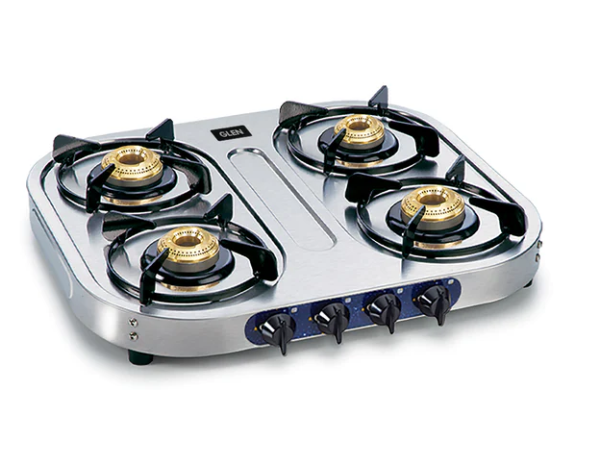
A kitchen rarely reveals its character immediately. At first, everything feels effortless. Burners ignite quickly, the cooktop gleams, meals arrive on the table without resistance. Months drift by. Sometimes years. Gradually, the rhythm of daily cooking begins exposing which appliances truly endure. Some equipment fades into frustration. Others quietly keep performing.
This is often where a heavy duty stainless steel gas stove becomes noticeable. Not because it carries a flashy label or technical appeal. Rather, real cooking experience gradually points people toward it. Stainless steel handles heat, moisture, repeated cleaning, plus the unpredictable chaos of everyday cooking without losing its composure. Reliability, in the kitchen, tends to speak softly.
Why Stainless Steel Continues to Define Reliable Kitchen Cooktops
Kitchen materials come in cycles. Trends appear, dominate design conversations for a while, then fade. Stainless steel, however, rarely exits the stage. It simply keeps proving its worth where performance matters. Heat doesn’t intimidate it. Humidity rarely leaves lasting marks. Routine cleaning hardly affects its surface integrity.
Anyone who cooks regularly understands the reality of a busy cooktop. Oil splashes wander far beyond the pan. Spices scatter. Occasionally, a boiling pot decides to rebel. Stainless steel usually absorbs these moments without complaint. A quick wipe, sometimes a slightly deeper clean, restores order.
Visually, it integrates with surprising ease. Chimneys above the stove, modular cabinetry surrounding the counter, occasionally built-in hobs placed nearby. Stainless steel rarely competes for attention. Instead, it quietly supports the broader kitchen environment. That understated presence is precisely what many homeowners appreciate.
What Makes a Heavy Duty Stainless Steel Gas Stove Different
Not all stainless steel stoves are made with the same degree of durability. Some are designed for kitchens with less rigorous cooking habits, while others are designed for kitchens that use the burners multiple times a day. As time passes, the difference is noticeable.
Heavier Stainless Steel Construction.
In the heavy-duty models, stainless steel construction is normally made thicker. This helps the cooktop to withstand the exposures to heat every day, cutlery, and other activities in the kitchen without getting bent or spoiled.
Balanced Heat Distribution
Uneven heat may cause frustrations in themselves, particularly when some parts of the pan are overcooked, others do not cook at all. This is solved by brass burners, which offer balanced heat.
Predictable Cooking Performance
With uniform distribution of heat, cooking is more controlled, and cooking vessels respond well, with smooth stirring and cooking speeds that match the cook’s expectations rather than working against them.
Burner Engineering and Flame Behavior
Burner design is the unsung hero that controls the entire cooking experience. An effectively designed burner ensures the flame is steady, even if the heat levels change suddenly.
Let’s take an instance of an average cooking scenario. The pan is placed at high heat for frying. However, after some time, the flame is lowered for simmering spices. Low-quality burners take their own sweet time for such changes. Brass burners, on the other hand, hold the heat effectively, ensuring the flames remain steady.
Fuel efficiency improves as well. When heat spreads correctly beneath cookware, less energy escapes around the sides of the pan. Meals cook slightly faster while remaining easier to regulate. Interestingly, many cooks notice this advantage only after weeks of use. Meals become more consistent. Flame adjustments respond quickly. Over time, the cooktop begins to earn quiet trust.
Modern Design Features Found in Stainless Steel Cooktops
Gas stove design rarely changes through dramatic reinvention. Instead, manufacturers refine smaller details that quietly improve everyday cooking usability.
Precision Control Knobs
Modern cooktops feature knobs that rotate with improved accuracy. This allows smoother flame adjustment, making simmering or boiling easier to manage during routine cooking.
Optimized Burner Spacing
Burners are arranged to better accommodate larger cookware. Wider spacing prevents pans from crowding each other during multi-dish preparation.
Reinforced Stainless Steel Surface
Stronger surfaces tolerate frequent cooking sessions without losing stability or structural firmness.
Kitchen Integration
Stainless steel cooktops blend naturally with chimneys, modular cabinets, alongside other kitchen appliances.
Compact Space Efficiency
Multi-burner cooktops now fit comfortably within smaller kitchen counters.
Burner Configurations for Different Cooking Styles
Cooking styles are not normally seen in single size. Some of them have kitchens that need to deal with several dishes simultaneously, and there are ones which have simple meals to cook daily. The stainless steel cooktops are available in many forms of burners, each designed to suit a specific cooking type and not necessarily on appearance.
Two-Burner Configurations
Two-burner models are small and efficient and are suitable when the family size is small or when there is not much space available in the kitchen. They provide the required functionalities of cooking requirements of daily life without congesting the space that is available.
Three-Burner Configurations
A decent trade-off between those who require somewhat less functionality in their cooking requirements, three-burner models have the advantage of the ability to prepare more than one dish at a time, and the burners can be fitted into a comfortable space that fits in the medium sized kitchen.
Four-Burner Cooktops
With four burners, four-burner models are a popular choice in many family kitchens as they provide a good surface area to place multiple pots or pans in use at the same time, perfect when a family enjoys preparing elaborate cuisine or when the family has more mouths to feed.
Ignition Systems and Flame Control
Ignition methods used in gas stoves have varied in recent times. Some gas stoves use traditional manual methods, while others use automatic methods that produce sparks when the knob is turned. These methods are all viable depending on personal preference.
Final Thoughts
When selecting the most appropriate stainless steel gas stove, it is rarely a matter of appearance. The thing is, the kitchens are required to be used on a daily basis. Occasionally, more than once a day. This implies that kitchen equipment must be designed such that it can survive daily heat exposure, wash-cleaning cycles, as well as daily use. Durability is key.
Glen Appliances is a brand in the kitchen appliances industry that develops new solutions to the kitchen, including the best stainless steel gas stoves, chimneys, hobs, and other kitchen-related things that suit the lifestyle of the modern world.