
What Is Active Cornering Enhancement in Modern Vehicles?
Active cornering enhancement is an advanced automotive technology designed to improve vehicle stability, control, and performance during turns. As modern vehicles continue to evolve, automakers are increasingly investing in systems that enhance handling, reduce body roll, and offer a safer driving experience. Among these systems, vehicle stability control, dynamic handling technology, and suspension management systems play essential roles. Active cornering enhancement integrates these mechanisms to ensure that the car remains stable even when navigating sharp corners at varying speeds. The system is particularly valuable in SUVs and larger vehicles where body roll is more noticeable, helping drivers maintain confidence in challenging driving conditions.
Also, explore Usphonelookup: A Complete Guide To Reverse Phone Lookup Services
Key Components Behind Active Cornering Enhancement Systems
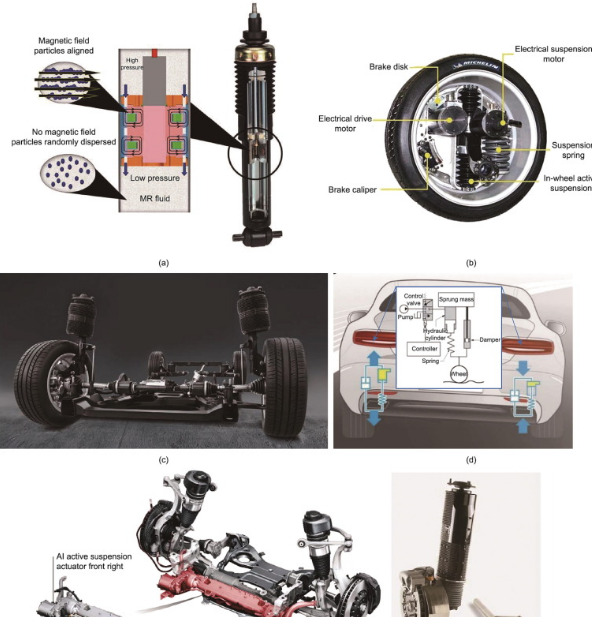
Active cornering enhancement relies on a combination of intelligent sensors, hydraulic actuators, and vehicle control units. The sensors monitor crucial driving elements such as steering angle, wheel speed, yaw rate, and body movement. These inputs are processed by the vehicle’s onboard computer, allowing the system to react instantly. The hydraulic actuators are responsible for applying counter-forces that reduce body roll, making the vehicle feel more planted on the road. This combination creates a balanced driving experience where both comfort and performance are enhanced. Manufacturers often use adaptive suspension, intelligent traction systems, and electronic stability enhancements to complement active cornering enhancement, providing a cohesive approach to safe and dynamic driving.
How Active Cornering Enhancement Improves Driving Performance
The Role of Active Cornering Enhancement in Vehicle Stability
Active cornering enhancement is essential for ensuring vehicle stability during high-speed or sharp turns. By countering lateral forces that push the vehicle outward during cornering, the system helps maintain optimal traction between the tires and the road surface. This is particularly beneficial when driving on winding roads, slippery surfaces, or uneven terrains. The system works in real time, adjusting to changing driving conditions without driver intervention. It promotes smoother handling, reduces the risk of skidding, and enhances driver control. Combined with road grip control, anti-roll technology, and performance-based suspension, it creates a refined driving experience suitable for both everyday travel and performance-focused journeys.
Advantages of Integrating Active Cornering Enhancement in Vehicles
One of the greatest advantages of active cornering enhancement is the noticeable reduction in body roll, which contributes to improved passenger comfort. Drivers experience increased confidence as the vehicle remains steady even during aggressive maneuvers. The system enhances overall safety by minimizing the chances of oversteer and understeer, two common factors in vehicle instability. Additionally, its integration supports a more responsive steering feel, allowing smoother transitions through corners. Modern vehicles equipped with this technology also tend to offer better long-term durability, as reduced strain on suspension components helps maintain performance over time. By combining modern chassis control, automated handling assistance, and optimized suspension geometry, automakers deliver vehicles with superior dynamic balance.
Why Automakers Continue Investing in Cornering Enhancement Technologies
The automotive industry is continuously shifting towards safer and more intelligent driving solutions. Active cornering enhancement aligns with this direction by providing drivers with a more controlled driving experience, especially in diverse road conditions. With consumer demand rising for comfort, safety, and dynamic performance, manufacturers prioritize technologies that meet these expectations. As electric and hybrid vehicles grow in popularity, integrating advanced handling systems has become even more essential to offset battery weight and maintain stability. Therefore, technologies like active cornering enhancement are expected to become standard features in future vehicle generations.
Frequently Asked Questions
1.What does active cornering enhancement do in a car?
It reduces body roll and enhances stability when the vehicle is cornering, improving safety and handling.
2.Is active cornering-enhancement the same as stability control?
No. Stability control manages skidding, while active cornering enhancement focuses on balancing the vehicle during turns.
3.Do all vehicles come with this technology?
No. It is primarily found in high-end SUVs, performance cars, and advanced models with enhanced suspension systems.
4.Can active cornering-enhancement improve comfort?
Yes, by reducing body movement during turns, passengers experience a smoother and more comfortable ride.
5.Does this technology require regular maintenance?
It generally requires minimal maintenance, but routine vehicle checkups ensure sensors and actuators function correctly.
Conclusion
Active cornering-enhancement plays a crucial role in improving vehicle stability, comfort, and safety, especially during demanding driving conditions. As automakers continue advancing vehicle technology, systems like this will remain essential for delivering balanced performance and superior handling. With its ability to reduce body roll, enhance traction, and provide a more controlled driving experience, active cornering enhancement will continue shaping the future of modern automotive engineering.

